
This post is part of our Vital 8 Healthy Aging Series — a blog series exploring the key areas of health that shape how well we age, and what we can do about them today.
How Strong Is Your Body Battery? Why Strength Alone Does Not Tell the Whole Story
Most of us know our blood pressure, cholesterol, and weight. But do you know how well your body produces, maintains, and recovers its physical energy?
Think of your body like a battery. It is not enough to know whether the battery can turn on. We also want to know: How much power can it produce? How quickly does that power drain? How well does it recharge? And does it have enough reserve for the demands of everyday life?
That is where the difference between strength and fatigability becomes important — and why a single strength test does not tell the whole story.
Strength Is Only Part of the Picture
Traditional strength testing measures how much force you can produce at one moment — like squeezing a grip device as hard as possible for a few seconds. That gives valuable information, but it does not tell us how long you can maintain that strength.
Think about your phone. It may show 100% in the morning, but that does not tell you whether the battery will last all day — or drop to 40% after barely being used.
Your body can work the same way. You may have enough strength to stand up from a chair, carry a grocery bag, or climb the first few stairs. But what happens when you need to repeat the task, sustain the effort, or keep going?
What Is Fatigability — and Why Does It Matter?
Fatigability is the measurable decline in performance that happens during sustained activity. In simpler terms, it tells us how quickly your body battery drains when it is asked to keep working.
Someone may appear strong at the start of an activity but lose power much faster than expected. In everyday life, this might look like:
– Carrying the groceries inside but needing to sit down before putting them away
– Walking well at first but slowing down considerably after several minutes
– Starting dinner but needing to rest before finishing
– Playing with grandchildren for a short time and then feeling exhausted
– Doing well in the morning but struggling to complete normal activities later in the day
A one-time strength test may not catch this. Strength tells us what you can do once. Fatigability tells us how well you can keep going.
Same Strength Score, Very Different Experience
Imagine two people, both 68, who produce nearly identical scores on a traditional grip-strength test. Based on that alone, they appear similar.
But when asked to sustain their effort, one maintains her force well — and the other drops off rapidly. At home, the difference shows up: one carries the groceries in and starts making lunch. The other needs to sit down before putting anything away.
Both were strong enough to lift the bags. The difference was how long their bodies could maintain the effort. That difference matters in real life.
How Much Reserve Do You Have?
Most daily activities should not require 100% of your physical capacity. You need something left in reserve for unexpected demands — a gust of wind, uneven ground, a stumble, or an illness.
A person can appear to be “doing fine” within a familiar routine while having very little reserve for a harder day. The goal is not simply to have enough power for the easiest version of your day. You also want enough reserve for the surprises and challenges of real life.
How Well Does Your Battery Recharge?
Becoming tired after a demanding activity is normal. How long it takes to recover matters too.
Two people may complete the same shopping trip. One rests for 20 minutes and moves on. The other needs the rest of the day — or even the next day — to recover.
Think about charging two phones for the same amount of time. One returns to 70%. The other barely reaches 25%.
Fatigue and Fatigability Are Not the Same
These two terms sound similar but mean different things. Fatigue is how tired you feel. Fatigability is what happens to your performance when your body is asked to keep working.
Someone may say “I feel fine” while testing shows their physical performance declines rapidly. Another person may feel exhausted even though their muscles perform relatively well during a brief test.
Both findings are important — but they tell us different things. When someone reports significant fatigue, it is also important to
Have You Maintained Your Abilities — or Changed Your Life Around Them?
People do not always recognize that their physical capacity is changing, because it often happens gradually. Someone may say “I am doing fine” but over time have stopped taking the stairs, shopping independently, walking longer distances, traveling, or doing more than one major activity in a day.
They may still be functioning well — but only within a smaller, less demanding routine.
The important question is: Are you still doing the activities you want to do, or have you slowly changed your life around what your body can tolerate?
Why Start in Midlife?
For years, assessments like these were reserved for adults over 65 — usually after a fall, a hospitalization, or a noticeable loss of independence. But research shows that changes in strength, endurance, recovery, and metabolic health often begin much earlier, in our 40s and 50s, long before most people think of themselves as “getting older.”
The evidence is clear: aging trajectories are not fixed. Many adults who begin to experience early changes can regain ground with the right support at the right time. Midlife is the ideal window to establish a baseline, catch emerging changes early, and take action — before a crisis forces the conversation.
You would not wait for your car battery to die before checking it. The same principle applies to your body.
What Can You Do to Support Your Body Battery?
Your current physical capacity is not necessarily where you have to stay. Depending on individual needs, strategies may include:
– Strength and resistance training
– Aerobic exercise and balance activities
– Gradually increasing activity tolerance
– Improving sleep quality
– Reviewing nutrition and protein intake
– Addressing pain
– Reviewing medications with your healthcare provider
– Managing underlying health conditions
The right plan is different for every person — and that is exactly the point.
Your Body Battery Is Just One Piece of the Puzzle
Physical strength and fatigability matter — but they are only one part of healthy aging. That is why we developed the Vital 8 Framework, a comprehensive, evidence-based approach that looks at your health across multiple interconnected domains — not just one or two areas in isolation.
The Vital 8 Framework was built by Home Therapy Solutions in collaboration with the University of North Dakota’s Department of Geriatrics and their Dakota Geriatrics program. Its foundational research was completed as a doctoral capstone project through UND’s occupational therapy program and was accepted for presentation at both the Gerontological Society of America and the American Geriatrics Society. The framework draws on the World Health Organization’s approach to healthy aging and intrinsic capacity, the nationally recognized Age-Friendly Health Systems initiative, and established rehabilitation science models — and it continues to evolve as new research and technology emerge.
The Vital 8 assessment uses advanced technology, including a clinically validated system developed by international researchers with over 25 years of study in muscle health and vitality, to measure not just how strong you are — but how well your muscles sustain effort and how quickly they fatigue. This brings lab-quality insight into a quick, practical test that fits into a comprehensive assessment of your overall health.
The Vital 8 is not a diagnostic test. It is a comprehensive screening that reveals your strengths, identifies emerging risk factors, and connects every finding to a personalized action plan. Your results are organized into three clear zones — so you know exactly where you stand and what steps make sense for you. If your results indicate a need beyond occupational therapy, the framework includes referral recommendations to the right professionals.
The assessment takes approximately one to two hours and can be completed in your home or in our clinic — whichever is more comfortable and convenient for you.
What Does It Cost?
It depends on your situation.
If you are already experiencing specific health concerns — such as balance problems, falls, difficulty with daily activities, strength changes, or cognitive shifts — an occupational therapy evaluation may be covered by your insurance when supported by a physician’s order and documented medical necessity. Contact us before your visit and we can help you understand the process and verify your benefits.
If you have no current health concerns and are completing the Vital 8 as a proactive wellness screening, it is a private-pay service. Think of it like an investment in prevention — you are paying to find out where you stand today so you can take action before problems develop.
In either case, if the assessment identifies areas that would benefit from ongoing occupational therapy treatment, future therapy services may be eligible for insurance coverage based on your plan, medical necessity, and a physician’s order when required. We can help you navigate those options once your results are in.
If aging is inevitable, then so is our opportunity to make it a better experience. The question is not whether things will change — it is whether you will have the information and support to stay ahead of those changes.
Ready to Find Out Where You Stand?
Contact Home Therapy Solutions to learn more about the Vital 8 Assessment and how our team can help you understand and protect your health — starting today.
Schedule Your Vital 8 Assessment!
Learn More About the Vital 8 Framework
Healthy aging should begin in midlife — but it is never too late to start.
About the Authors
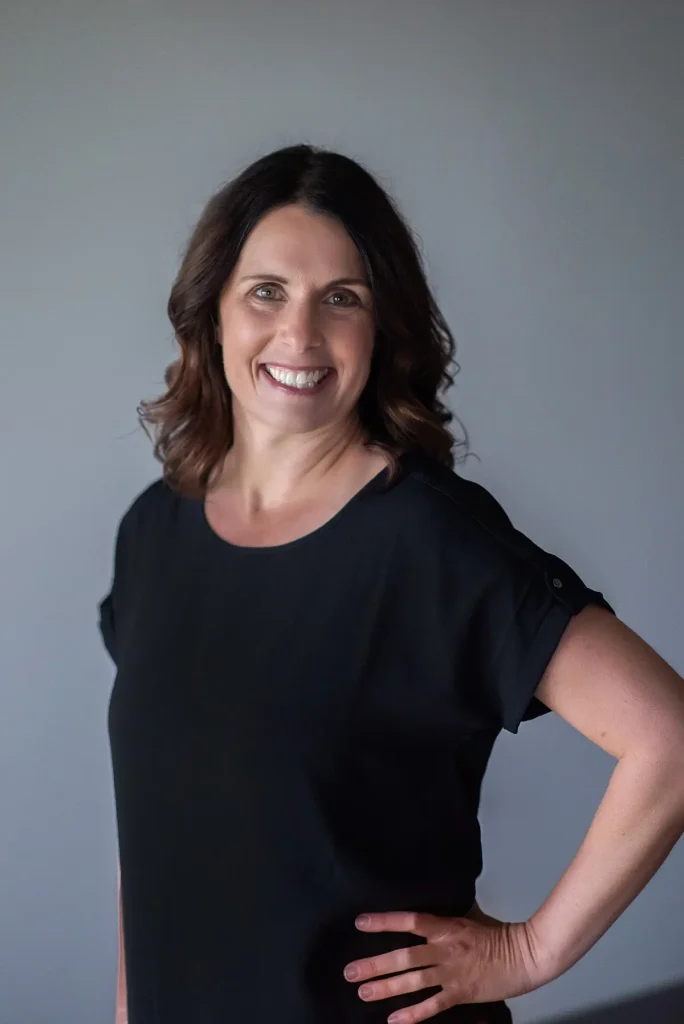
Kara Welke, OTD, OTR/L, CLT, is the founder and CEO of Home Therapy Solutions. She developed the Vital 8 Framework to bring comprehensive, evidence-based healthy aging assessments to adults in midlife and beyond. Kara presents on healthy aging at conferences locally, nationally, and internationally, including the International Association of Gerontology and Geriatrics (IAGG), and is actively involved in aging-related research.