This post is part of our Vital 8 Healthy Aging Series — a blog series exploring the key areas of health that shape how well we age, and what we can do about them today.
Author: Kara Welke, OTD, OTR/L, CLT and Jada Welke, OTD, OTR/L
Part 1: How Strong Is Your Body Battery?
Part 2: The Missing Checkup: Why We Test Everything Except the Brain
Part 3: The Core of Everything: Why Pelvic Floor Health Belongs in Every Aging Conversation
What if the balance exercises you have been doing are not actually preparing you for the moments that matter most?
Most people think of balance as standing still without wobbling. Most balance programs reflect that — stand on one foot, walk heel to toe, close your eyes.
But real life does not test your balance that way.
Real life tests your balance when the wind catches you crossing a parking lot. When your dog lunges at a squirrel. When someone bumps into you in a crowded airplane aisle. When your grandchild runs into your legs. When you hit a patch of ice you did not see.
Research now shows that how well you recover from an unexpected loss of balance — not how long you can hold a pose — is what actually determines whether you fall.
Most balance training is not training that skill at all.
Static Balance vs. Reactive Balance
Static balance is the ability to hold a position — standing with feet together, balancing on one leg. This is what most programs test and train.
Reactive balance is the ability to recover when something unexpected throws you off — a slip, a trip, a push, a sudden change in direction. This is what actually prevents falls.
A landmark video study captured over 200 real-life falls on camera. The most common cause was incorrect weight shifting (41%), followed by tripping (21%). Most falls happened during ordinary activities — walking forward, standing quietly, sitting down.
Falls do not happen during risky activities. They happen during everyday movements when the body cannot react fast enough.
The Research Is Clear: Reactive Training Works — But Only as Part of a Bigger Plan
A systematic review found that reactive balance training reduced the likelihood of falling by 24% and the total number of falls by 39% compared to traditional approaches.
A 2026 meta-analysis confirmed that perturbation-based balance training — training that intentionally creates unexpected challenges — reduced fall rates by 23% and injurious falls by 24%. Programs providing at least 6 hours reduced falls by 33%.
But here is what the research also makes clear: multi-component programs outperform single-focus approaches. A Cochrane review found that programs combining balance training with strength, flexibility, and functional exercises reduced the rate of falls by 34%. Adding cognitive dual-task challenges pushed that number even higher — a 2026 multicenter trial found dual-task training reduced falls by 53% compared to balance training alone.
In other words, reactive balance training is powerful — but it works best when combined with strength, cognition, environmental assessment, and the other areas that influence why people fall in the first place.
This is why single-focus programs miss the mark. And it is why multi-component assessment and intervention is the standard the evidence supports.
You Have to Lose Your Balance to Get Better at Finding It
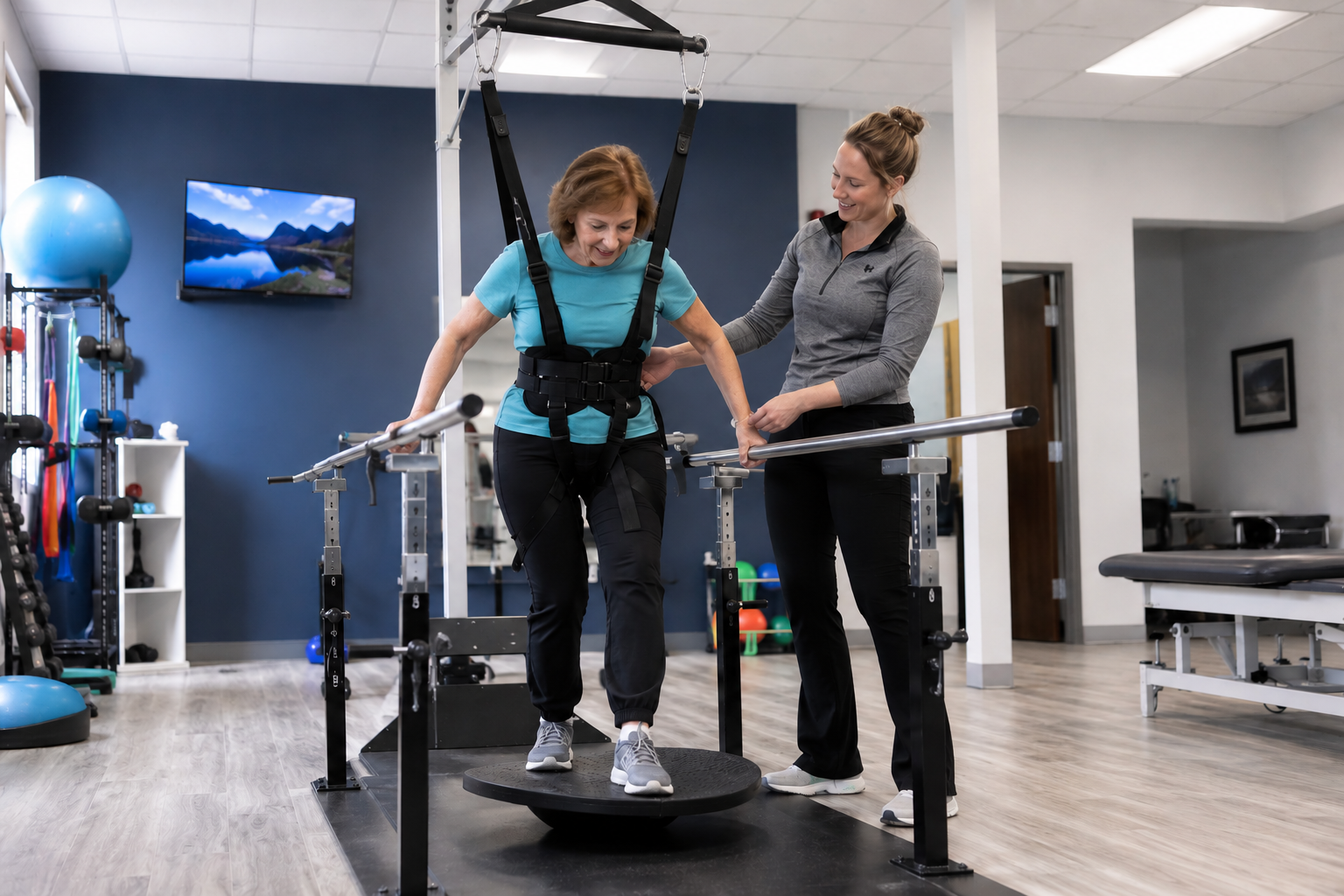
To improve reactive balance, you have to experience losing your balance — in a safe, controlled environment. Your nervous system needs to practice activating the right muscles, in the right sequence, at the right speed.
Standing on one foot does not teach that. What teaches it is being challenged — pushed, tilted, destabilized — and learning to recover, repeatedly, with progressive difficulty.
Our team includes therapists with advanced training in older adult care, including an ICE Certified Older Adult Specialist, who consistently see the same problem: most people are simply not being challenged enough. Their balance programs stay safe and familiar, which feels comfortable but does not build the reactive skills that prevent real-world falls.
Balance Is Connected to Everything Else
If you have been following this series, you know that no single area of health exists in isolation. That is the core principle behind our Vital 8 Framework — strength, cognition, mood, sleep, medications, environment, nutrition, and pelvic floor health all interact to shape how well you function and age.
Balance sits right at the center.
Balance and cognition: A randomized controlled trial found that balance training alone significantly improved memory and spatial cognition — likely because challenging balance stimulates the vestibular system, which connects directly to the brain’s memory center. As we discussed in [Part 2], falls and cognitive decline form a vicious cycle: multiple falls increase dementia risk by 74%, and cognitive impairment increases fall risk 2 to 6 times.
Balance and your pelvic floor: As we covered in [Part 3], pelvic floor dysfunction reduces gait speed, and pelvic floor muscle training with dual-tasking reduces fall risk by approximately 21%. If your pelvic floor is not functioning well, your balance is compromised — even if your legs are strong.
Balance and strength: In [Part 1], we talked about the difference between what your body can produce at one moment and how well it sustains that effort. You may recover from one unexpected challenge — but what about the second, when you are tired at the end of a long day?
This is why the Vital 8 assesses balance alongside all of these domains — because a balance score alone does not tell you why your balance is compromised or what to do about it.
Why Reserve Matters: A Real-World Example
On a recent trip to Europe — the very first stop, Amsterdam — a family member was trying to exit a packed airplane. People crowding the aisle. Bags overhead. Uneven footing. Fatigue from a long flight.
No handrail. No time to think. Someone bumps into you, and your body either recovers or it does not.
This is what physical reserve means. Not whether you can stand on one foot in your living room — but whether your body can handle the unexpected when you are tired, in an unfamiliar place, surrounded by unpredictable movement.
Where This Training Happens
One of the advantages of working with Home Therapy Solutions is that our team provides therapy in both settings where it matters most.
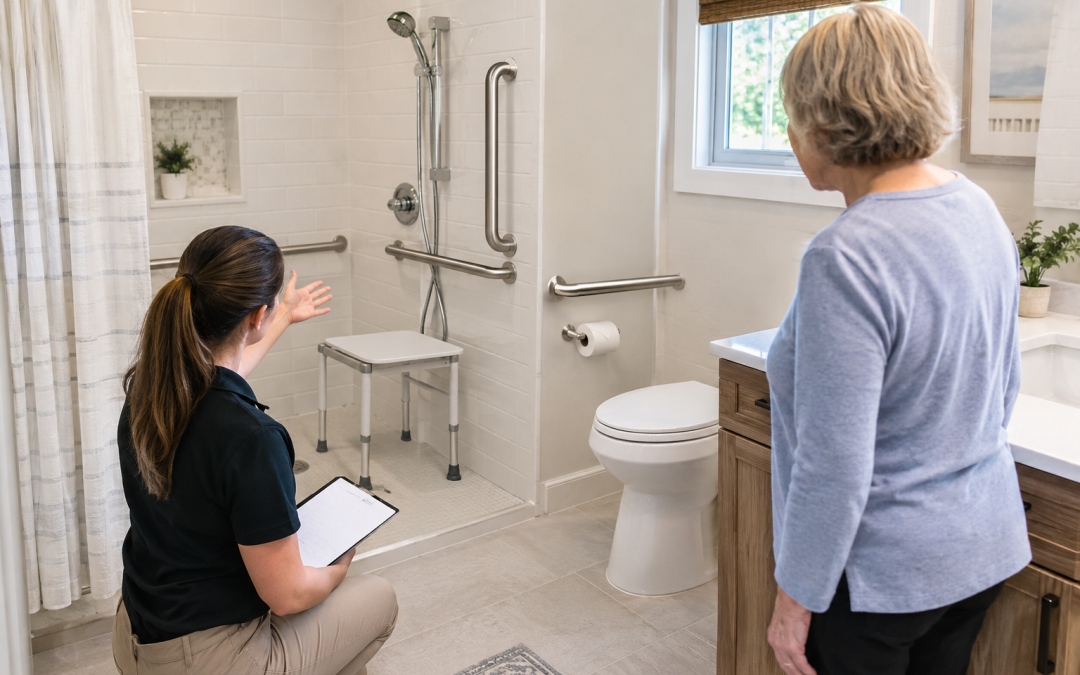
In your home, our therapists assess and train balance in the actual environment where falls happen — your stairs, your bathroom, your kitchen, the path from your car to your front door in winter. This is where real-world risks live, and it is where real-world solutions need to work.
In our clinic at 1123 N 42nd St in Grand Forks, we can safely push further. Our space was designed specifically for evidence-based balance and aging care — with overhead track systems and harnesses that allow high-level reactive training without risk of injury, and slip trainers that simulate real-world loss of balance.
You will not find trendy gadgets here — we prioritize evidence-based tools aimed at getting to the root of what is actually going on, which saves you time and money in the long run. And when you are here, your time is spent on your care.
When Should You Start?
Earlier than you think.
Balance training should not start after a fall or a hip fracture. Research shows the nervous system adapts at every age. Starting in midlife builds the neural pathways that protect you decades later.
If you are past midlife, it is absolutely not too late. Even older adults with existing fall risk improve significantly with the right kind of training — training that actually challenges balance, not exercises that stay comfortable.
Is Your Current Balance Routine Actually Enough?
Ask yourself:
– When was the last time you actually felt off-balance during an exercise — and had to recover?
– Can you walk and carry on a conversation without slowing down?
– Could you catch yourself if someone bumped into you unexpectedly?
– Do you avoid stairs, icy sidewalks, or crowded places because of balance concerns?
– Have you started holding onto furniture or railings more than you used to?
If any of these resonate, a proper assessment can identify exactly where you stand — and why.
Balance Is One Piece of the Bigger Picture
Research consistently shows that multi-component assessment and intervention — looking at strength, cognition, balance, environment, and more together — produces better outcomes than addressing any single area alone. That is the foundation the Vital 8 was built on.
The Vital 8 Framework is a comprehensive, evidence-based healthy aging assessment covering 8 core domains, developed in collaboration with the University of North Dakota Department of Geriatrics and informed by research accepted for presentation at both the Gerontological Society of America and the American Geriatrics Society.
Ready to find out where you really stand? Call us at (218) 230-2171 or visit Contact Us to book your Vital 8 Assessment today.
Do not wait for a fall to find out your balance training was not enough.
Frequently Asked Questions
Is standing on one foot a good balance exercise?
It tests static balance, which is one component. But research shows that reactive balance — the ability to recover from unexpected challenges like slips and trips — is what actually prevents falls. Effective programs train both.
What is perturbation-based balance training?
A training method that intentionally creates safe, unexpected challenges to your balance — like small pushes, surface changes, or sudden movements. Research shows it reduces falls by 24-39% compared to traditional exercises.
Why does balance training alone not prevent falls?
Because falls are caused by multiple factors — not just poor balance. Muscle weakness, cognitive decline, medication side effects, pelvic floor dysfunction, poor sleep, and home hazards all contribute. Research shows multi-component programs that address several of these areas together reduce falls significantly more than balance-only programs.
When should I start working on my balance?
In midlife or earlier. The nervous system adapts at every age, and starting earlier builds the neural pathways that protect you later. It is never too late — older adults still improve significantly with the right training.
Can balance training improve my memory?
Research suggests yes. A randomized controlled trial found that balance training improved memory and spatial cognition, possibly through connections between the vestibular system and the brain’s memory center.
What is the difference between training balance at home vs. in a clinic?
Home-based therapy lets therapists assess and train balance in the real environment where falls happen — your stairs, bathroom, kitchen, and outdoor paths. Clinic-based therapy with equipment like overhead harnesses and slip trainers allows therapists to safely create higher-level challenges that are not possible at home. The best programs use both.
What is a Vital 8 Assessment?
A comprehensive healthy aging assessment that evaluates 8 core domains — including balance, strength, cognition, sleep, mood, medications, nutrition, and home safety. Rather than testing one area in isolation, the Vital 8 looks at how all of these areas interact to shape your overall function and independence. It is available as a private-pay wellness service, and if concerns are identified, follow-up treatment may be covered by insurance.
About the Authors
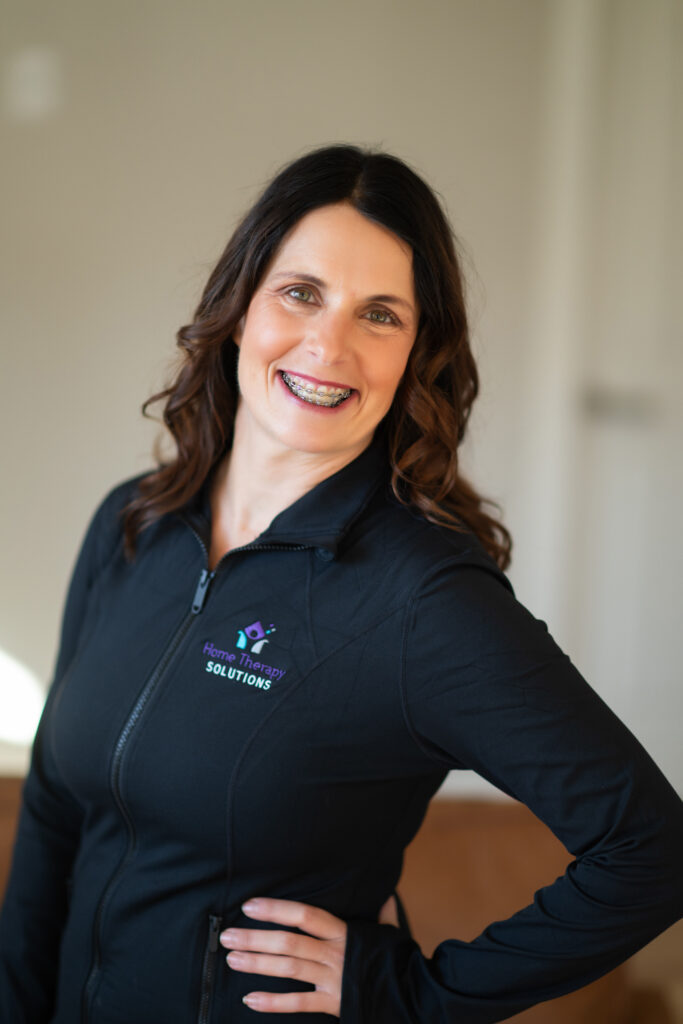
Kara Welke, OTD, OTR/L, CLT, is the founder and CEO of Home Therapy Solutions. She developed the Vital 8 Framework to bring comprehensive, evidence-based healthy aging assessments to adults in midlife and beyond. Kara presents on aging and rehabilitation topics at local, national, and international conferences — most recently at the International Association of Gerontology and Geriatrics (IAGG), — and is actively involved in research advancing proactive approaches to healthy aging.
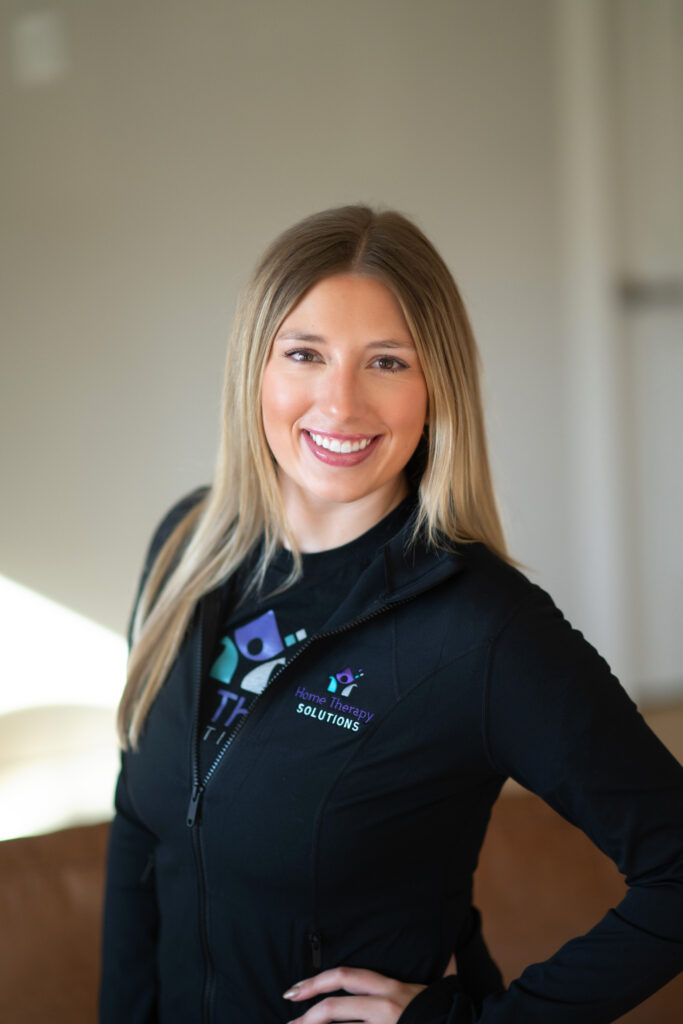
Jada Welke, OTD, OTR/L, co-developed the Vital 8 Framework during her doctoral capstone at the University of North Dakota. Her research on this multidimensional approach to healthy aging has been accepted for presentation at both the Gerontological Society of America (GSA) and the American Geriatrics Society (AGS) annual conferences.